



The Evolving Role of Structural Steel in Modern Architecture
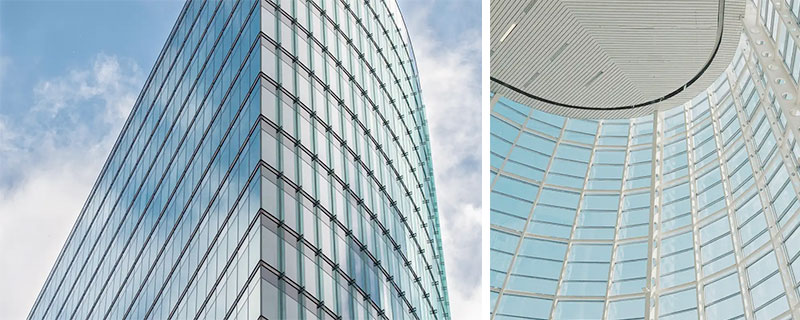
Steel transformed architecture. From industrial warehouses to soaring skyscrapers, this material fundamentally changed how we design and construct buildings. Yet its role continues evolving as architects push boundaries, prioritize sustainability, and reimagine what structural systems can achieve.
Understanding steel’s journey from utilitarian material to design centerpiece reveals much about contemporary architecture’s direction. More importantly, it shows how material innovation drives aesthetic possibility.
From Function to Form
Early steel-frame buildings prioritized function over aesthetics. Engineers focused on strength calculations and load-bearing capacity. Architects concealed steel within masonry facades, viewing it primarily as structural necessity rather than design opportunity.
Modernist pioneers changed this relationship entirely. Mies van der Rohe famously declared “less is more,” celebrating exposed steel columns and beams as honest expressions of structure. His Seagram Building demonstrated how steel frameworks could define architectural character while enabling unprecedented flexibility in floor plans.
This philosophical shift opened new creative territories. Steel’s strength-to-weight ratio allowed for column-free spaces, expansive glazing, and dramatic cantilevers that masonry construction could never achieve. Suddenly, architects could design buildings that seemed to defy gravity.
Contemporary projects continue this legacy while adding new dimensions. Steel fabrication techniques have become increasingly sophisticated, enabling complex geometries and custom solutions that previous generations could only imagine.
Sustainability Reshapes Steel’s Identity
Environmental concerns now influence every material choice architects make. Steel initially faced criticism for its carbon-intensive production process. However, several factors position it favorably within sustainable architecture discussions.
Steel remains infinitely recyclable without degradation. Demolished buildings become source material for new construction, creating closed-loop systems that minimize waste. Current estimates suggest recycled steel comprises approximately 30% of new structural steel production globally, with percentages climbing as circular economy principles gain traction.
Manufacturing advances significantly reduced steel’s carbon footprint. Electric arc furnaces powered by renewable energy produce steel with dramatically lower emissions than traditional blast furnaces. Some manufacturers now offer carbon-neutral steel options for environmentally conscious projects.
Design efficiency also contributes to sustainability. Steel’s strength allows minimal material usage compared to concrete or timber equivalents. Lighter structural frameworks reduce foundation requirements, cutting excavation, concrete volume, and overall project carbon footprints.
Prefabrication Transforms Construction Processes
Off-site fabrication represents one of steel’s most significant advantages in contemporary practice. Components arrive at construction sites precisely measured, cut, and ready for assembly. This approach contrasts sharply with cast-in-place concrete’s weather-dependent, time-intensive processes.
Benefits extend beyond construction speed. Factory-controlled environments ensure superior quality control. Weather delays disappear. Site disruption decreases substantially. Labor requirements shift from on-site crews to specialized fabrication facilities.
For complex projects featuring unique geometries, digital fabrication technologies enable precision that manual methods cannot match. Computer-controlled cutting produces intricate connections and custom profiles directly from building information models. Architects design knowing fabricators can accurately translate their visions into physical components.
Working with experienced suppliers becomes crucial during this process. For instance, Sydney Reo is a structural steel supplier that provides custom cutting and bending services, enabling architects to specify exactly what projects require rather than adapting designs to standard available sections.
Prefabrication also improves construction site safety. Less on-site cutting, welding, and heavy lifting reduces accident risks. Controlled factory environments provide safer working conditions than typical construction sites.
Hybrid Systems Expand Possibilities
Pure steel structures dominated mid-century architecture. Today’s projects increasingly combine steel with other materials, creating hybrid systems that leverage each material’s strengths while compensating for limitations.
Steel-concrete composites appear frequently in contemporary towers. Steel frames provide flexibility and speed during construction. Concrete cores add lateral stability against wind loads and seismic forces. Together, they enable heights neither material could safely achieve alone.
Mass timber construction represents another emerging hybrid approach. Heavy timber members handle compression loads beautifully while steel connections and tension elements add structural capacity where wood alone proves insufficient. These combinations satisfy both environmental goals and structural performance requirements.
Glass and steel partnerships continue evolving. Structural glazing systems integrate load-bearing glass panels with steel frameworks, creating nearly transparent enclosures. Projects like Apple’s glass cube stores demonstrate how far these partnerships have progressed from simple curtain wall systems.
Digital Tools Enable Structural Innovation
Building information modeling revolutionized how architects and engineers collaborate on steel projects. Integrated models allow real-time coordination between architectural intent and structural requirements. Design changes automatically update fabrication drawings, reducing errors and miscommunication.
Parametric design tools let architects explore structural possibilities that previous generations never considered. Complex curves, doubly-curved surfaces, and non-repetitive patterns become manageable when software handles geometric calculations. Steel’s fabrication flexibility makes these digital experiments buildable reality.
Generative design algorithms optimize steel structures for minimum material usage while maintaining required strength. Software tests thousands of configuration variations, identifying solutions human designers might never discover. Results often resemble organic forms—branches, bones, or natural networks—despite being pure engineered steel.
Advanced analysis software predicts building performance under extreme conditions. Wind tunnel simulations, seismic response modeling, and thermal behavior analysis inform structural decisions before construction begins. This reduces over-engineering while ensuring safety margins remain adequate.
Adaptive Reuse Favors Steel Structures
Heritage buildings increasingly receive new life through adaptive reuse rather than demolition. Steel frames prove particularly suitable for these transformations.
Industrial structures built during steel’s early adoption—factories, warehouses, train stations—feature robust frameworks that outlast their original functions. Clear-span interiors with minimal columns adapt easily to residential lofts, galleries, offices, or mixed-use developments. Original steel members often become celebrated design features rather than elements requiring concealment.
Adding steel structures within existing buildings enables spatial transformations impossible with heavier materials. Mezzanine levels, atriums, and structural reinforcements can be inserted without overloading existing foundations. Welded or bolted connections minimize disruption during construction.
Seismic retrofitting frequently employs steel bracing systems. Adding steel frameworks to unreinforced masonry buildings improves earthquake resistance while respecting historic character. Discrete steel members preserve architectural significance while meeting contemporary safety standards.
Aesthetic Expression Through Exposed Structure
Contemporary architects increasingly celebrate steel’s material qualities rather than concealing structural systems behind finishes. Exposed steel members communicate honesty about how buildings stand, educational and aesthetic simultaneously.
Weathering steel varieties develop protective rust patinas that eliminate painting requirements while adding rich coloration. These materials suit projects emphasizing connection to natural cycles and material authenticity. Over time, surfaces evolve, creating living records of environmental exposure.
Polished or painted steel finishes offer different aesthetic directions. High-gloss white beams evoke clinical precision. Matte black frameworks create dramatic silhouettes. Colorful powder coatings add playfulness. Surface treatments transform identical structural sections into diverse design expressions.
Detailing quality becomes paramount when structure remains visible. Connection design, weld finishing, and assembly precision all impact aesthetic success. Architects must consider fabrication feasibility during design development, ensuring beautiful details remain buildable within project budgets.
Future Directions
Several trends suggest steel’s continuing evolution in architectural practice. Advanced high-strength steels enable slimmer sections with equivalent structural capacity. Thinner columns and beams create more delicate structural expressions while maintaining performance.
Automated welding and robotic fabrication reduce costs for complex geometries. As these technologies mature, custom steel components may become cost-competitive with standard sections, expanding design freedom.
Carbon capture technologies integrated into steel production could eventually make the material carbon-neutral or even carbon-negative. Some research explores steel alloys that actively sequester atmospheric carbon, potentially transforming buildings from environmental liabilities into climate solutions.
Smart structures incorporating sensors into steel frameworks promise buildings that monitor their own structural health. Real-time data about stress, strain, and material condition could enable predictive maintenance, extending structure lifespans while improving safety.
Material Intelligence Shapes Design
Understanding steel’s properties, possibilities, and limitations informs better architecture. Successful projects emerge from dialogue between design aspirations and material reality. Steel offers remarkable capabilities—strength, ductility, prefabrication potential, recyclability—but works best when designers respect its nature.
Contemporary practice demands architects who understand materials deeply enough to exploit their potential fully. Steel rewards this knowledge with structural efficiency, aesthetic expression, and construction practicality that few materials match.
As we face unprecedented challenges—climate change, rapid urbanization, resource scarcity—steel’s adaptability positions it centrally in architecture’s future. Projects that thoughtfully employ this material contribute to building better environments while advancing architectural possibilities.
Steel’s story isn’t finished. Each innovative project expands understanding of what this material enables. Architects willing to explore steel’s evolving potential will discover new ways to create buildings that inspire, perform efficiently, and stand as testaments to material intelligence married with creative vision.
Source: The E-Architect


Leave a Reply
Want to join the discussion?Feel free to contribute!